

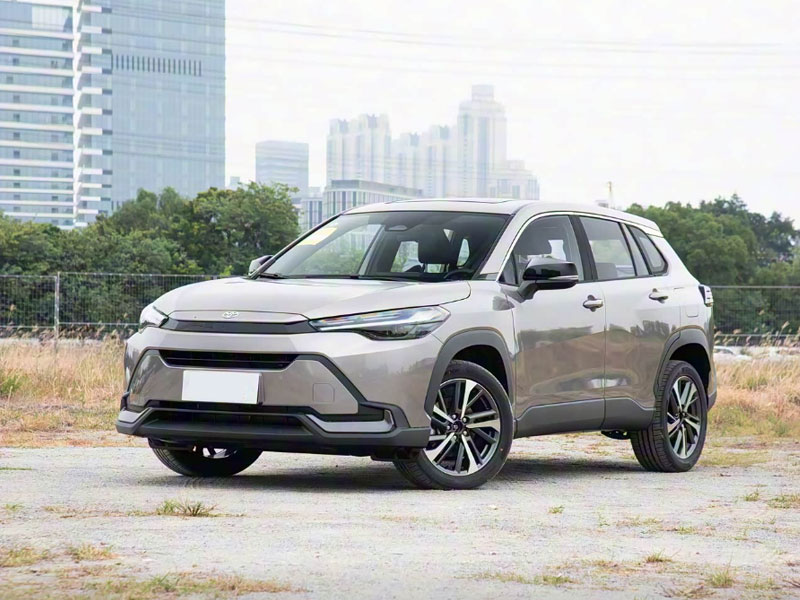
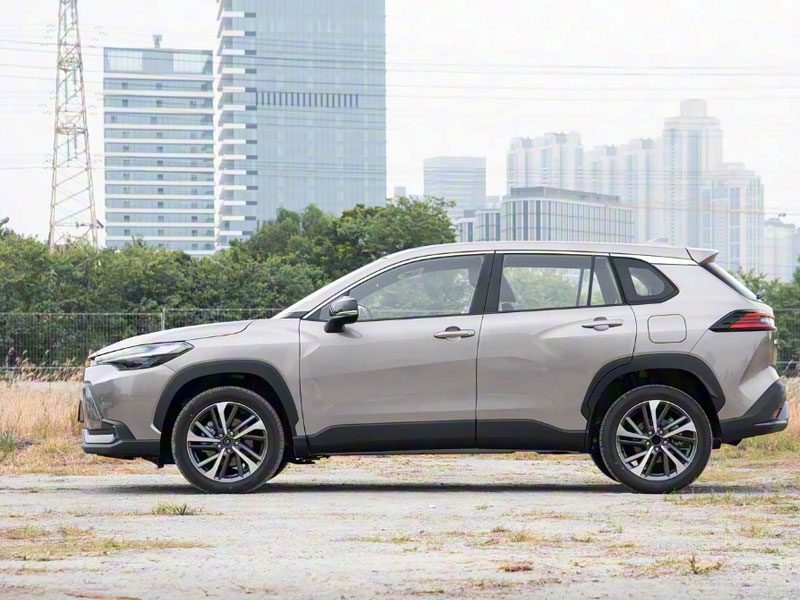

The GAC Toyota Frontlander is a sister model to the FAW Toyota Corolla Cross, also built on the Toyota TNGA-C platform. The two are nearly identical in core mechanicals, powertrain, and dimensions, with main differences lying in exterior design, some feature configurations, and pricing strategy.
| Item | Specifications |
|---|---|
| Vehicle Positioning | Entry-level Compact SUV |
| Length x Width x Height (mm) | 4485 x 1825 x 1620 (25mm longer than the Corolla Cross) |
| Wheelbase (mm) | 2640 |
| Curb Weight (kg) | Approx. 1390 - 1430 |
| Fuel Tank Capacity (L) | 47 |
| Trunk Volume (L) | 438 |
| Min. Ground Clearance (mm) | 160 |
| Drive Type | Front-wheel drive / Four-wheel drive (Optional on some Hybrid models only) |
| Front Suspension | MacPherson Strut Independent Suspension |
| Rear Suspension | Torsion Beam Non-independent Suspension |
Key Point: Same as the Corolla Cross, the rear torsion beam suspension is a cost-cutting measure, affecting rear passenger comfort and handling limits. This is a core difference from higher-class SUVs like the RAV4.
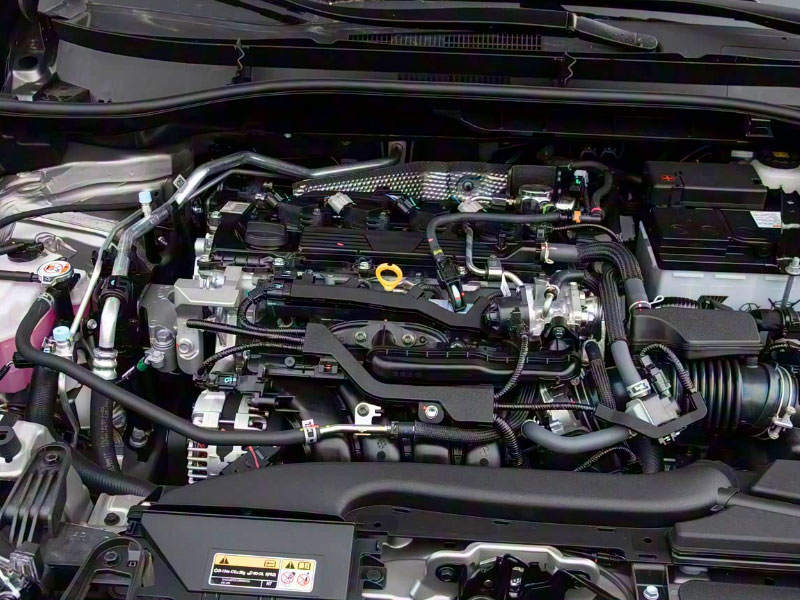
Offers the same two mature powertrain systems as the Corolla Cross.
| Item | 2.0L Naturally Aspirated + CVT (Gasoline) | 2.0L Intelligent Hybrid + E-CVT (Hybrid) |
|---|---|---|
| Engine Model | M20E (Dynamic Force Series) | M20F (Dedicated Hybrid Engine) |
| Engine Max Power | 126 kW / 171 Ps @ 6600 rpm | 112 kW / 152 Ps |
| Engine Max Torque | 205 N·m @ 4600-5000 rpm | 188 N·m |
| System Combined Power | - | 144 kW / 196 Ps |
| Motor Power | - | 83 kW |
| Transmission | Direct Shift-CVT (Simulated 10-speed) | E-CVT Electronic Continuously Variable Transmission |
| Combined Fuel Consumption (WLTC) | Approx. 6.0 - 6.2 L/100km | Approx. 4.6 - 4.9 L/100km |
| Fuel Grade | Octane 92 Gasoline | Octane 92 Gasoline |
| Core Characteristics | Smooth and reliable power, sufficient for daily commuting | Extremely low fuel consumption, quiet at low speeds, more responsive power, offering a better user experience |
The Frontlander's configuration strategy also follows the principle of "Safety Standard Across All Trims".
Standard Toyota Safety Sense (TSS 3.0) Across All Trims:
This is one of the Frontlander's biggest selling points, offering comprehensive L2-level driving assistance features even on base models:
PCS Pre-Collision System (with pedestrian detection)
DRCC Dynamic Radar Cruise Control (Full-speed range, supports stop-and-go)
LTA Lane Tracing Assist
AHB Automatic High Beam
Practical and Comfort Features (Based on Mid-to-High Trims):
Infotainment System: Mid-to-high trims are equipped with a 10.25-inch central touchscreen, supporting smartphone connectivity via CarPlay/HiCar/CarLife. Smart features and screen quality lag behind similarly priced domestic models.
Other Features: Toyota Connected Services, automatic climate control, rear air vents, sunroof, etc.
Main Shortcomings: Interior materials are primarily hard plastic, design style leans towards practicality, and lacks a sense of luxury.
Exterior Design: The Frontlander's front fascia is derived from the Japanese-market Corolla Cross, featuring a larger lower grille, giving it a more rugged, sporty look. The Corolla Cross's front end is closer to the US version, appearing relatively more reserved.
Subtle Differences in Features and Pricing: Their configuration levels are highly overlapping, but specific models at the same price point may have slight variations in certain comfort features (e.g., parking sensors, camera, seat material), requiring a detailed comparison of spec sheets. Typically, Frontlander's end-of-line discounts and pricing strategy may differ slightly from the Corolla Cross.
Body Length: The Frontlander is 25mm longer than the Corolla Cross, mainly due to front/rear bumper styling, with no substantial difference in interior space.
Advantages: Standard TSS 3.0 safety system across the range, Toyota hybrid technology (extremely low fuel consumption on Hybrid models), practical space, brand reliability, and high resale value.
Disadvantages: Rear torsion beam suspension, average interior quality, lagging infotainment experience, mediocre gasoline engine performance.
How to Choose (Gasoline vs. Hybrid):
2.0L Gasoline Version: Suitable for users with low annual mileage, pursuing ultimate value for money.
2.0L Hybrid Version: Suitable for users with higher annual mileage, prioritizing fuel economy and driving refinement. More economical in the long run.
How to Choose (Frontlander vs. Corolla Cross):
This is primarily a choice driven by aesthetics and price. Choose the Frontlander if you prefer a more sporty, rugged look; choose the Corolla Cross for a relatively more conservative appearance. Be sure to personally compare the final on-road price and incentive packages from both dealerships, and choose the model with the better overall value.
Recommended Trims:
Gasoline Version: Focus on the Leading Edition or Luxury Edition, which add key features like a sunroof, keyless entry, and a reversing camera.
Hybrid Version: The Leading Edition already offers a practical level of equipment.
Horizontal Competitors: Nissan Qashqai, Volkswagen Tharu/T-Roc. The Frontlander/Corolla Cross's core advantages lie in safety and the hybrid system. Simultaneously, they face fierce competition from domestic hybrid SUVs like the BYD Song Pro/PLUS DM-i and Geely Galaxy L7, which often offer more attractive features, space, and power.
Conclusion: The Frontlander is a pragmatic family SUV "twinned" with the Corolla Cross. Its core competitiveness lies not in flashy features or premium driving feel, but in the core values Toyota provides: reliability, safety, and fuel efficiency. If you subscribe to these values and like its appearance, then it, like the Corolla Cross, is a very sound choice among entry-level joint-venture SUVs. The deciding factors will likely be aesthetic preference and the actual discounts offered by local dealerships.