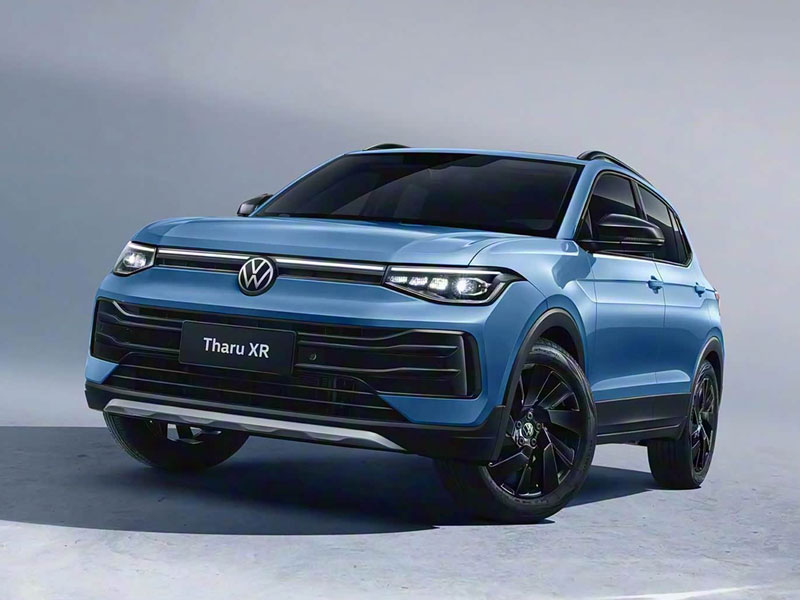

A car that is allowed to enter the market of another country for sale must obtain the "pass" of that country, which is the official type certification. The automobile export certification system is complex and strict, which is the core of technical trade barriers and directly affects the success and timeliness of exports.
Overview of mainstream certification systems:
EU: E-mark/VWTA certification is one of the most stringent systems in the world. According to the EU Directive/Regulations, vehicles need to undergo dozens of tests covering safety, environmental protection, network security, and more to obtain an e-mark certificate. Starting from September 2022, the new regulations require all new vehicle models to pass WVTA, placing greater emphasis on actual driving emissions (RDE) and vehicle network security.
The United States implements a self certification system for DOT/FMVSS certification, but the responsibility is significant. Manufacturers must ensure that their products comply with the Federal Motor Vehicle Safety Standards (FMVSS) of the United States Department of Transportation (DOT) and affix the DOT logo on the products. The US Environmental Protection Agency (EPA) is also responsible for regulating emissions certification. Although there is no need for official testing beforehand, post market spot checks are extremely strict, and violators will face huge fines and recalls.
Gulf Seven Countries: GCC certification is open to Gulf Cooperation Council countries such as Saudi Arabia and the United Arab Emirates. Certification is mainly based on GSO standards, focusing on special requirements for adapting to high-temperature desert environments, such as cooling systems, high-temperature resistant materials, lighting, etc.
Russia: OTTC certification (now partially replaced by EAC certification) for vehicle certification in the Eurasian Economic Union requires testing in designated laboratories.
Other important markets, such as China's CCC certification, Japan's JIS certification, and Australia's ADR certification, each have their own characteristics.
The key steps and challenges of authentication:
Preliminary preparation: Identify all applicable regulations in the target market and incorporate the requirements into the product development and design phase.
Choose agents and laboratories: Search for authorized agents in the target country and entrust them to accredited laboratories for testing (some certifications accept reports from Chinese laboratories, such as some EU projects).
Sample testing and document preparation: Provide test samples and prepare detailed technical documents (drawings, instructions, supply chain information, etc.).
Factory audit: Some certifications (such as the European Union) may require factory inspections for production consistency.
Certificate acquisition and maintenance: After obtaining the certificate, any design changes related to the certification project must be re declared.
Professional advice: Car companies must establish a professional international compliance team or cooperate with senior third-party certification service agencies to adopt a "certification first" strategy, incorporating certification cycles and costs into overall project planning to avoid delaying market opportunities.
Article 3: Ro Ro Ships: The "Exclusive Vehicle" for Cars to Drift Across the Ocean
How do millions of cars cross oceans and reach ports around the world every year? The core of the answer is a special type of ship - roll on/roll off ship. Understanding roll on/roll off ships and their logistics systems is key to understanding the physical chain of automobile exports.
What is a roll on/roll off ship?
Ro Ro Ship, also known as Ro Ro Ship, is an abbreviation for "Roll on/Roll off". Its biggest feature is having a ramp from the bow, stern, or side of the ship, allowing cars to be directly "driven onto" and "driven off" the ship, parked in the cabin like a large multi-level parking lot. This design has extremely high loading and unloading efficiency, which can minimize the risk of vehicle scratches during the loading and unloading process.
The core process of roll on/roll off logistics:
Front end logistics: After the vehicles are taken offline from the factory, they are transported to the export base port by dedicated sedan cars or short distance railways.
Port operations: Conduct vehicle PDI (pre-sales inspection), cleaning, necessary software updates, and complete customs clearance procedures within the dock. Subsequently, the vehicle is driven by a professional driver through a ramp into the designated cabin berth and secured with straps.
Ocean transportation: Modern large roll on/roll off ships can load over 8000 standard sedans with stable speed. The shipping company provides regular mainline route services, connecting major automobile manufacturing and consumption areas around the world (such as China, Japan, South Korea, Europe, Asia, and the West Coast of North America).
Destination port and distribution: After arriving at the destination port, the vehicle leaves the vessel for customs clearance. Afterwards, according to the order, it will be distributed to distributors through the local logistics network or directly delivered to customers.
Current challenges and trends:
Capacity bottleneck and cost: In recent years, the explosive growth of China's automobile exports has led to extremely tight capacity for roll on/roll off ships, with freight rates soaring several times at one point. This is a major practical factor that constrains exports.
Transportation safety of new energy vehicles: Lithium batteries for electric vehicles are classified as Class 9 dangerous goods, and their maritime safety requirements (such as SOC power limits and fire isolation measures) are more stringent, requiring special operating procedures and protocols.
Logistics model innovation: In order to solve the shortage of transportation capacity, car companies have begun to use "foldable frame boxes" to transport cars through container ships, or invest in ordering new roll on/roll off ships, and even self operated fleets (such as BYD and SAIC Anji Logistics) to ensure supply chain autonomy.
It can be said that the fluctuations in the roll on/roll off shipping market directly reflect the ups and downs of global automobile trade.