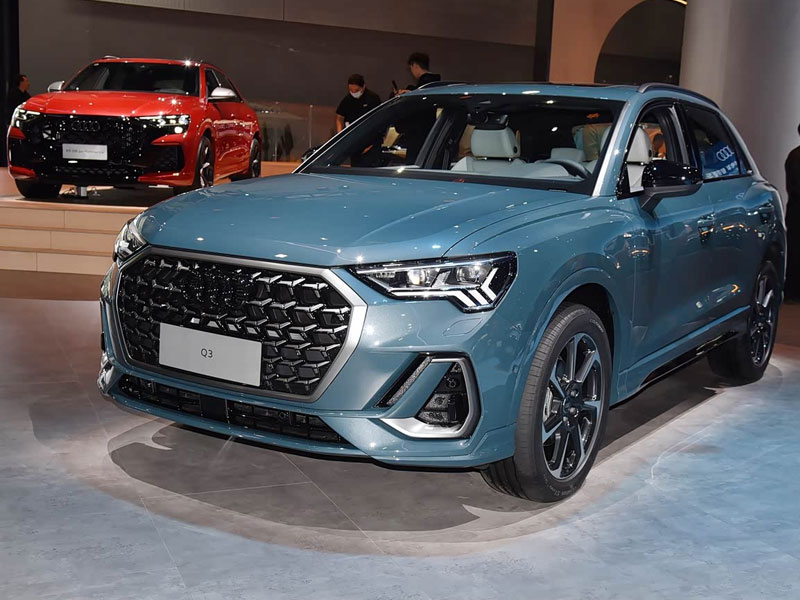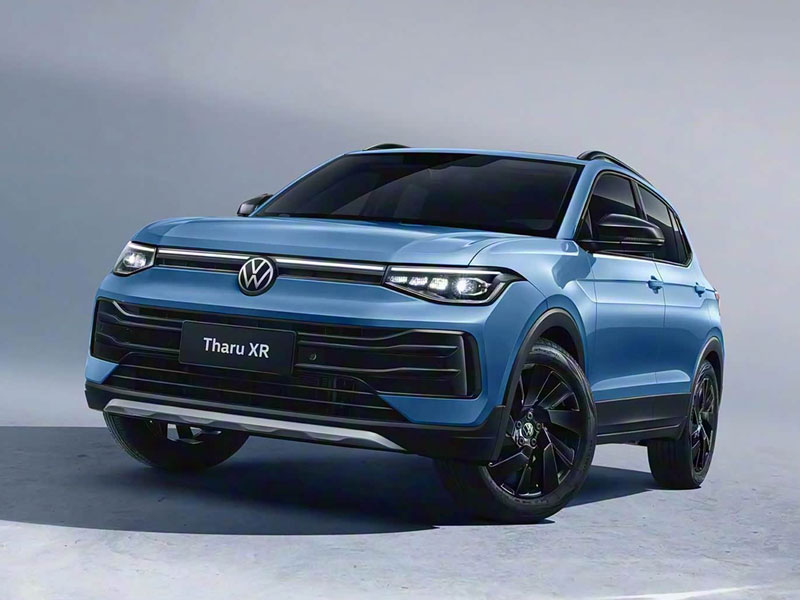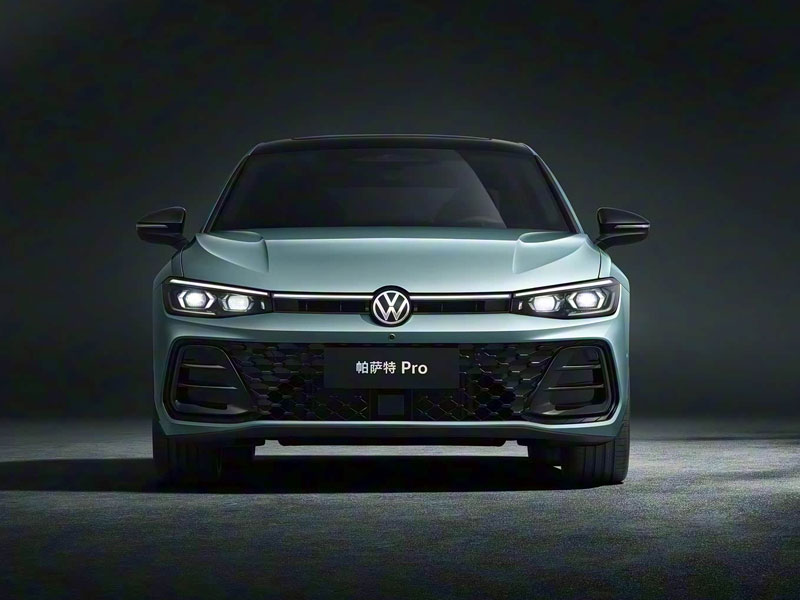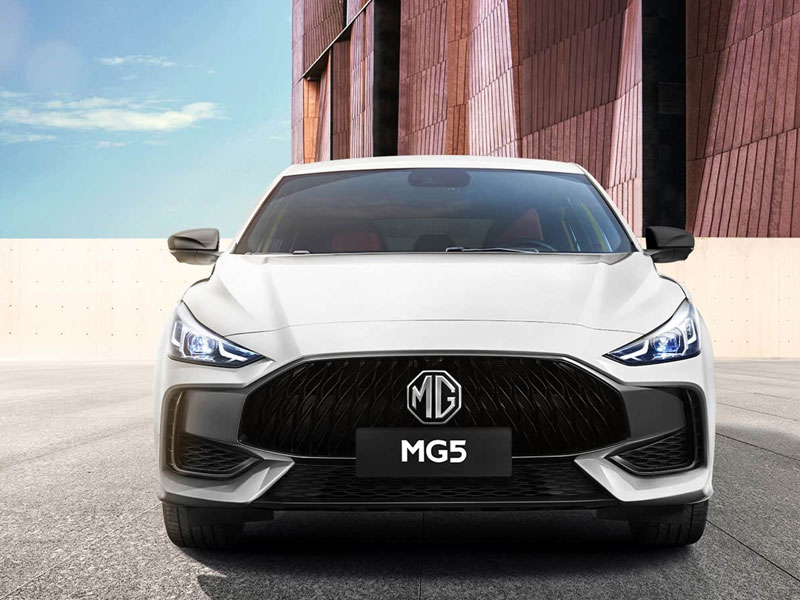

If in the era of traditional fuel vehicles, China's automobile foreign trade was a follower, then on the track of new energy vehicles, China is achieving a historic "lane change overtaking". New energy vehicles are not only the direction of global industrial transformation, but also the core password for China's automobile foreign trade to achieve a dual leap in quality and quantity.
The combination of technological advancement and cost advantage forms a moat. China has cultivated a globally leading power battery industry (such as CATL and BYD) through forward-looking industrial policies, occupying over 60% of the global market share. The complete local supply chain enables China's new energy vehicles to possess advanced technology and significant cost control capabilities. The dual advantages of "technology+cost" make Chinese electric vehicles highly attractive in the international market, especially in the face of high energy costs in Europe and aggressive emission reduction policies in various countries.
Rich product matrix to meet diverse needs. From A0 level small cars that meet family commuting needs, to high-tech mid to high end intelligent sedans and SUVs, to commercial electric buses and trucks, China's new energy vehicle export product line covers a comprehensive range. This not only accurately targets the consumption pain points of different overseas markets (such as urban commuter cars in Europe and ride hailing markets in Southeast Asia), but also demonstrates the comprehensive electrification system capability of China's automotive industry.
Standard output and ecological export. The overseas expansion of China's new energy vehicles is not only the export of complete vehicles, but also the output of technical standards and business models. China's charging standards, battery swapping modes, and connected car services are moving towards the world along with vehicles. Some car companies have even attempted to provide a complete set of "three electric" systems and intelligent platform solutions to overseas partners, achieving upgrades from product exports to technology authorization.
Challenges and opportunities coexist. Although the advantages are obvious, the increasing trade protectionism in Europe and America (such as EU anti subsidy investigations and US IRA bills) is a serious challenge. In the future, Chinese car companies need to further deepen localized production and cooperation, strengthen intellectual property protection and brand narrative, in order to continue leading the global new energy wave.